Vancouver, British Columbia, is a city well-known for its stunning natural beauty, vibrant communities, and diverse seasonal events. From the cherry blossoms of spring to the dazzling lights of winter festivals, the changing seasons in Vancouver bring unique opportunities to connect with nature, culture, and one another. However, seasonal events and changes can also have a profound psychological impact on residents, influencing mental health, emotional well-being, and overall quality of life. Understanding these impacts can help individuals build effective coping strategies and benefit from the support of local therapy and counselling options.
The Influence of Seasonal Changes on Mental Health
Seasonal shifts are often accompanied by changes in mood and energy levels. For many Vancouver residents, the long, dark, and rainy winters can contribute to a phenomenon known as Seasonal Affective Disorder (SAD). SAD is a type of depression linked to the lack of natural sunlight and the reduced outdoor activity that winter often brings. Symptoms may include fatigue, difficulty concentrating, feelings of sadness, and even social withdrawal. Similarly, other seasonal challenges, such as the pressure to engage in holiday activities or meet year-end goals, can elevate stress and anxiety levels.
Spring and summer, while often associated with renewal and relaxation, can also trigger psychological effects. For some, the expectation to be active and social during warm weather months can feel overwhelming, leading to feelings of inadequacy or isolation. Seasonal changes may also rekindle past memories, both positive and negative, that can evoke strong emotional responses. For instance, a particular season might remind someone of a difficult experience in their life, leaving them feeling unsettled as the time of year comes around again.
Coping with Seasonal Pressures and Expectations
The social and cultural pressures tied to seasonal events can be another factor influencing mental health for people in Vancouver. For example, the holiday season, while often a time of joy and celebration, can also bring financial stress, family tensions, and feelings of loneliness for those without social support systems. Similarly, events like summer festivals or outdoor gatherings can create expectations to participate, which may not always align with a person’s current emotional state or capacity.
Therapeutic approaches such as cognitive-behavioural therapy (CBT) and mindfulness-based therapy are particularly useful in addressing these challenges. These therapies equip individuals with practical tools to understand and manage their thoughts, feelings, and behaviours in response to external pressures. Psychodynamic therapy, which explores underlying emotional and interpersonal patterns from a person’s past, can also help individuals make insightful connections about how specific seasonal experiences impact their current mental and emotional well-being.
The Role of Vancouver’s Environment in Mental Health
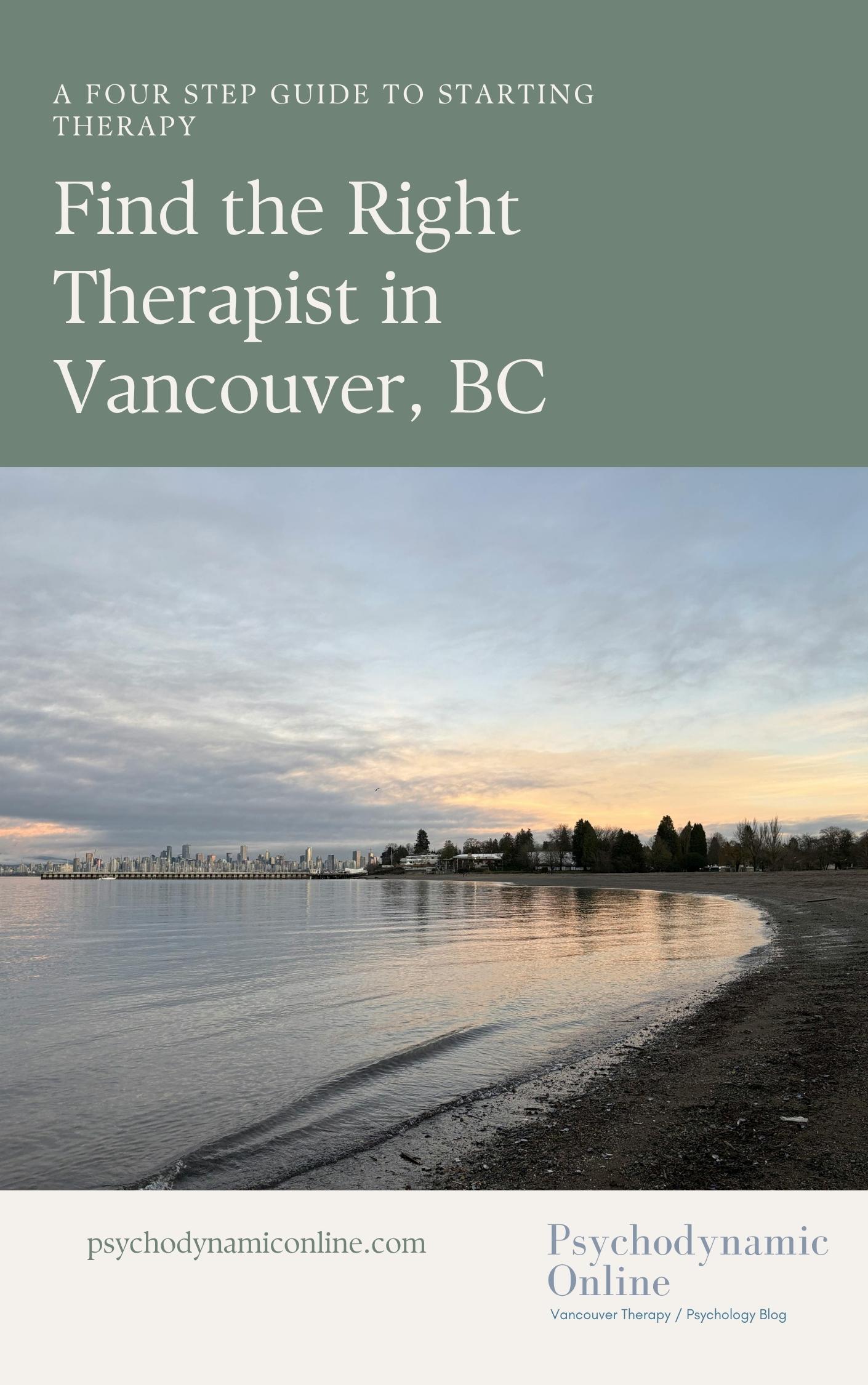
Vancouver’s natural surroundings are a key part of daily life, and they also play a significant role in mental health. The city is renowned for its picturesque coastal views, lush forests, and numerous parks, offering countless benefits for psychological well-being. Research has consistently shown that spending time in nature reduces stress, boosts mood, and fosters mindfulness. Vancouver residents are uniquely positioned to take advantage of these benefits, whether through a walk along the Seawall, a hike in Pacific Spirit Regional Park, or simply sitting by the waterfront and observing the ocean.
On the flip side, Vancouver’s environment can also pose challenges. The infamous “raincouver” months, characterized by persistent rain and grey skies, can lead to a sense of lethargy or “winter blues.” Additionally, the increasing concerns about environmental changes, such as rising temperatures and the impact of air quality during wildfire season, have heightened eco-anxiety for many residents. Therapists in the area can help individuals explore ways to process these feelings and turn them into actionable steps to improve overall resilience.
Exploring the Benefits of Therapy and Counselling for Seasonal Struggles
Therapy and counselling provide essential support during times when seasonal events and changes feel particularly challenging. Vancouver offers a wealth of mental health services aimed at helping individuals better understand their responses to seasonal changes and develop healthier coping mechanisms. Common approaches include dialectical behaviour therapy (DBT), which blends acceptance and change strategies, and solution-focused therapy, which helps individuals pinpoint practical steps to overcome difficulties tied to particular seasons. Psychodynamic therapy remains an invaluable option for those who want to explore deeper emotional patterns tied to seasonal experiences, fostering long-term healing and growth.
Another effective therapeutic approach for addressing seasonal challenges is art therapy. This creative form of self-expression is growing in popularity across Vancouver and offers a powerful medium for processing emotions and enhancing self-awareness. Likewise, group therapy offers a space to connect with others who share similar feelings and experiences, fostering a sense of community and shared understanding.
Building Resilience Amid Seasonal Shifts
Resilience is a skill that can be cultivated to better handle the psychological impact of seasonal events. Developing simple, consistent routines can help provide stability and structure during times of change. For instance, ensuring enough exposure to daylight through outdoor activities or light therapy lamps can counteract the effects of diminished sunlight during the winter months. Regular exercise, healthy eating, and sufficient sleep also play key roles in maintaining mental and physical well-being throughout the year.
Many Vancouverites also turn to holistic practices, such as yoga, meditation, and acupuncture, to build resilience during seasonal transitions. These practices encourage mindfulness and emotional balance, which are especially valuable during periods of heightened stress or change. Additionally, engaging with community resources, such as local support groups or non-profit wellness programs, can provide extra guidance and encouragement for navigating seasonal difficulties.
Seeking Support When Needed
If seasonal events or changes are impacting your mental health, it’s important to know that help is available. Therapy and counselling offer compassionate and evidence-based pathways for addressing these challenges. Whether you’re struggling with the darker days of winter, feeling overwhelmed by summer’s social expectations, or navigating complex emotions tied to seasonal memories, a skilled therapist can help you regain control and find balance.
Vancouver residents are fortunate to live in a city with a wide range of therapy options, including psychodynamic therapy and other specialized approaches. By seeking support from a mental health professional, individuals can better understand their responses to seasonal events and develop the tools needed to thrive year-round. While seasons will always bring change, they can also bring opportunities for growth, reflection, and connection.
By exploring these resources and making time for self-care, Vancouver residents can face the psychological impacts of seasonal events with resilience and positivity.