Gratitude is more than just saying “thank you” – it is a powerful emotional state and practice that can transform how we deal with life’s challenges. For many people in British Columbia, particularly in urban areas like Vancouver, gratitude has become an essential tool in navigating the stresses of daily life, especially when incorporated into therapy or counselling. Whether you’re exploring therapy for the first time or you’re already engaged in counselling, understanding how gratitude can be used as a therapeutic strategy may bring new insights to your mental health and wellness.
The Science Behind Gratitude
Gratitude has been studied extensively by psychologists and researchers, and the findings are compelling. Scientific studies demonstrate that cultivating gratitude can improve mental well-being, reduce anxiety and depression, and lead to a more optimistic outlook on life. Gratitude triggers the release of dopamine and serotonin in the brain, often referred to as the “feel-good” neurotransmitters, that help create feelings of happiness and contentment.
For residents of British Columbia, where mental health is often impacted by seasonal changes and work-life imbalances, gratitude can be an effective tool to regain equilibrium. Local mental health initiatives frequently emphasize holistic approaches, and gratitude often forms a foundational element in this process.
Gratitude in Therapy
Therapists across the greater Vancouver region and throughout British Columbia incorporate gratitude practices within their therapeutic approaches. These practices may include gratitude journaling, mindfulness exercises, or even reflective discussions about things that bring joy or meaning to one’s life. Gratitude is particularly effective when paired with therapeutic modalities such as cognitive behavioral therapy (CBT), acceptance and commitment therapy (ACT), and psychodynamic therapy.
For example, in psychodynamic therapy, therapists often explore how past negative experiences can influence current thoughts and behaviors. By integrating gratitude into psychodynamic sessions, clients can work to reframe difficult memories and focus on positive aspects of their lives. This act of reframing can significantly alleviate the mental weight of lingering negativity.
CBT, another common therapy used in Vancouver, focuses on identifying and changing negative thought patterns. Incorporating gratitude into CBT sessions encourages clients to challenge their internal critical voice and replace self-defeating thoughts with more balanced and positive reflections.
Gratitude as a Daily Practice
Therapy sometimes involves learning practices that can extend into everyday life, and gratitude is no exception. A gratitude practice doesn’t need to be complicated. It can start with a simple daily habit, like writing down three things you’re grateful for each day. Over time, this small act can rewire your mind to focus on the positive rather than the negative.
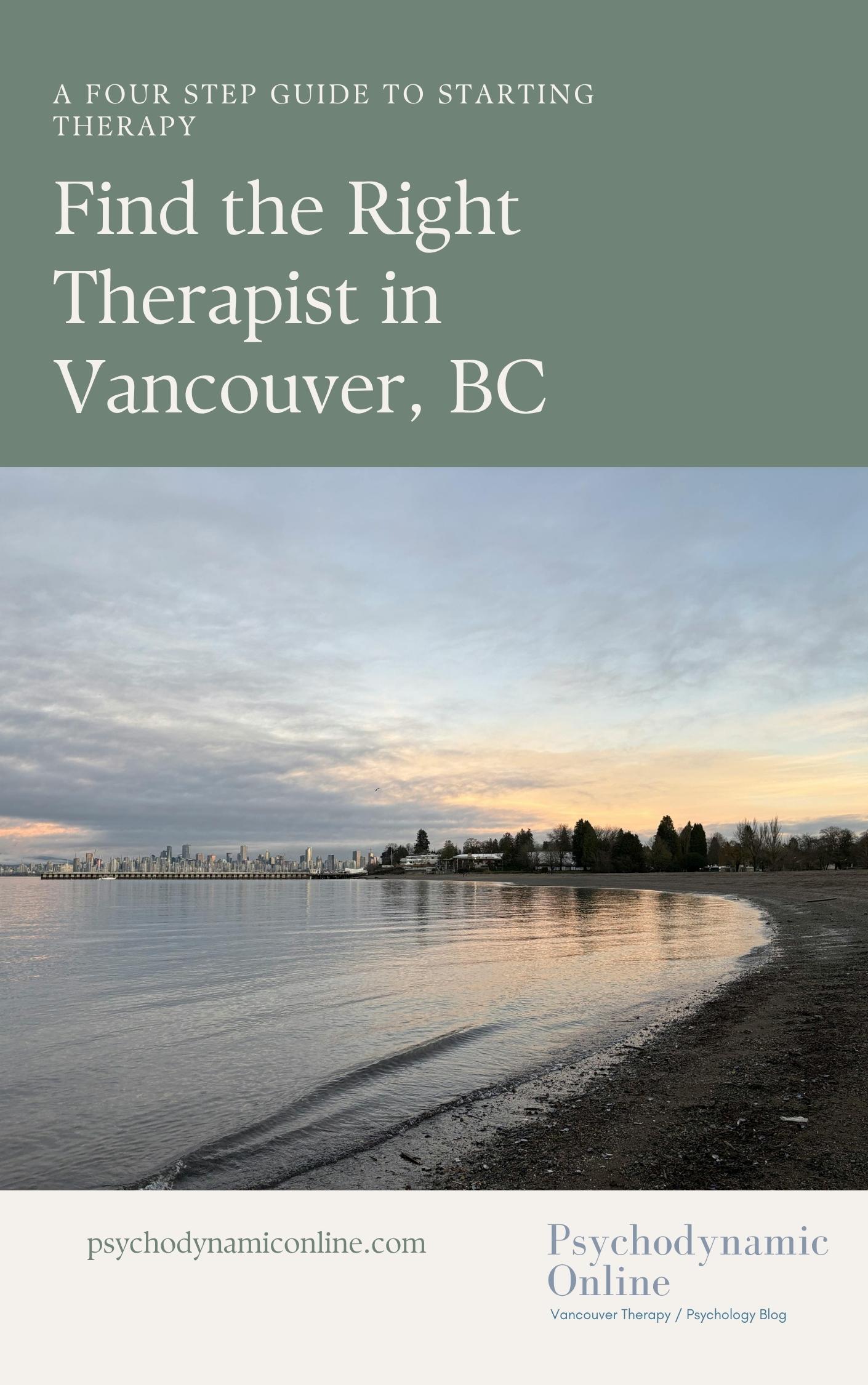
Given the natural beauty of British Columbia, gratitude can also be practiced in the outdoors. Many therapists encourage their clients to spend time in nature and reflect upon it as a source of gratitude. Whether it’s a walk in Stanley Park, a hike in the North Shore Mountains, or simply watching the sunset over English Bay, connecting with the province’s stunning environment can foster a deep sense of appreciation and calm. This is particularly relevant in Vancouver and surrounding areas, where access to nature is practically at your doorstep.
Overcoming Barriers to Gratitude
Like any skill, cultivating gratitude can take time, especially for individuals facing significant mental health challenges. Those dealing with anxiety, depression, or trauma may initially struggle to feel grateful. This is where professional therapy comes in to offer guidance and structure.
Therapists in British Columbia understand the diverse needs of their clients and may adapt gratitude practices to fit individual circumstances. For example, people experiencing grief may find it difficult to write about gratitude directly, but they can start by exploring cherished memories with a loved one. Likewise, those with chronic stress might benefit from combining gratitude work with relaxation techniques or mindfulness interventions.
Resources for Therapy in the Vancouver Area
If you’re ready to explore gratitude as a part of your mental health toolkit, consider reaching out to a local therapist or counselling service in British Columbia. Many therapists provide options for in-person or virtual counselling, allowing for flexibility that fits your schedule. Be sure to seek professionals that specialize in approaches like CBT, ACT, and psychodynamic therapy, all of which can be effective when paired with gratitude practices.
Additionally, local community centers and wellness organizations in Vancouver often host workshops or support groups focusing on gratitude, mindfulness, and related topics. These resources can provide an accessible introduction to gratitude practices, and they may serve as a valuable complement to one-on-one therapy.
The Transformative Power of Gratitude
Gratitude is not a cure-all, but it is a versatile and empowering tool that can make a profound difference in mental and emotional well-being. For British Columbians navigating daily stress, life transitions, or mental health challenges, gratitude offers a pathway toward greater resilience and fulfillment. Whether practiced in therapy or integrated into daily routines, the habit of gratitude can help shift perspectives and reframe our relationship with ourselves and the world.
If you’re in the Vancouver area or elsewhere in British Columbia and are exploring therapy, consider how gratitude might play a role in your healing and growth. A skilled therapist can help you unlock its potential, guiding you toward a more balanced and grateful approach to life. Remember, every small act of gratitude can lead to meaningful, lasting change.