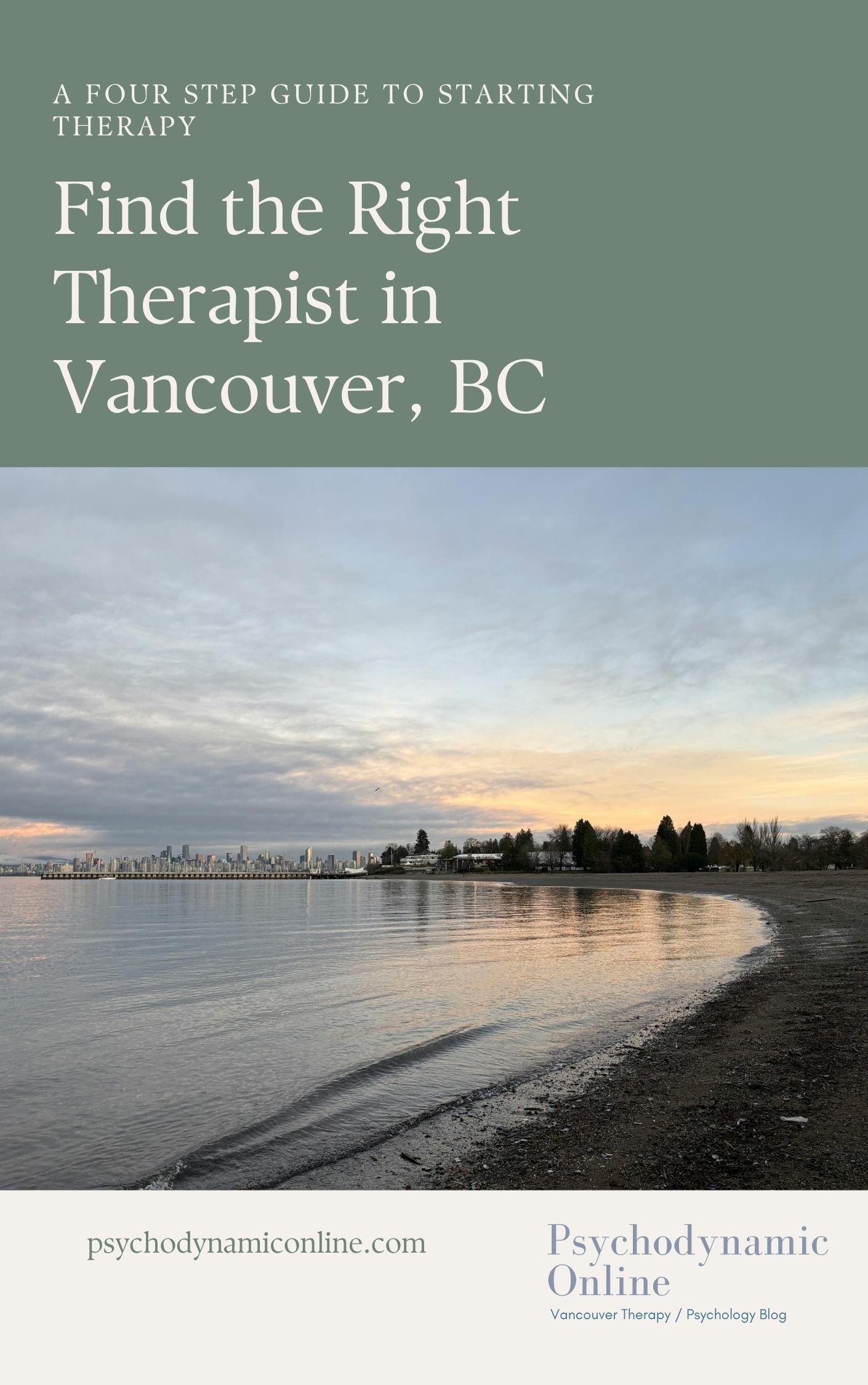
The stunning, natural beauty of Vancouver, surrounded by mountains and coastline, provides an ideal setting for combining physical activity and therapy. Many people in the greater Vancouver area seek therapy to improve their mental health, manage stress, or heal from trauma. An increasing number of therapists advocate for integrating physical activity into mental health treatment plans, pointing to the strong connection between physical well-being and emotional resilience. Whether you are walking along Vancouver’s seawall, practicing yoga in Kitsilano, or engaging in mindfulness on a hiking trail in North Vancouver, physical activity can complement the work done in therapy.
The Mental Health Benefits of Physical Activity
Scientific research consistently demonstrates that physical activity can reduce symptoms of anxiety and depression while boosting overall mental health. Regular exercise helps release endorphins—chemicals in the brain that promote feelings of happiness and reduce stress levels. Aerobic activities such as jogging through Stanley Park or cycling along False Creek stimulate the production of these endorphins, leaving people feeling more energized and less anxious.
For those undergoing therapy, physical activity can amplify the benefits of counselling by helping to regulate emotions and improve physical health. Physical activity also enhances sleep quality, which often improves mood and overall functionality, setting the stage for meaningful progress in therapy sessions. Whether it’s a mindful walk along Crescent Beach or a group yoga class, incorporating movement into one’s routine complements the insights gained during counselling, creating a more holistic path toward healing.
Popular Types of Therapy in Vancouver
Vancouver residents have access to a wide variety of therapy options, each designed to suit different needs and goals. While physical activity is not a substitute for professional counselling, it can support the progress that can be achieved through therapy. Some of the most common types of therapy available in Vancouver include:
- Cognitive Behavioral Therapy (CBT) – Focused on helping people identify and change negative thought patterns, CBT can be highly effective in treating anxiety, depression, and other mental health challenges. Pairing CBT with physical activity may help solidify new, positive habits and improve emotional regulation.
- Psychodynamic Therapy – This form of therapy explores how unconscious thoughts and past experiences influence present behaviors. It’s an introspective approach that can provide deep insights, often making it easier to process emotions during reflective activities like meditative walks.
- Person-Centered Therapy – Rooted in empathy and unconditional positive regard, person-centered therapy provides a safe, supportive environment for personal growth and self-discovery. Outdoor activities such as forest bathing—a popular choice in and around Vancouver—can complement this approach, offering tranquility and connection to nature.
- Mindfulness-Based Therapy – Mindfulness involves focusing attention on the present moment without judgment. This therapeutic approach works hand-in-hand with activities like yoga or tai chi, both of which are widely practiced throughout Vancouver. These practices emphasize breath control and mindfulness, aligning seamlessly with therapy-based goals of stress reduction and self-awareness.
Exploring Vancouver’s Outdoor Spaces for Physical and Emotional Healing
One of the best aspects of living in or visiting Vancouver is the abundance of outdoor spaces perfectly suited for combining physical activity and therapeutic practices. For instance, the seawall—stretching from Coal Harbour to Kits Beach—provides an ideal route for walking, running, or cycling while reflecting on personal growth. Many individuals find that being near the ocean induces a sense of calm and clarity, making it easier to process emotions discussed during therapy sessions.
Further afield, the hiking trails on Mount Seymour or Cypress Mountain offer opportunities for more strenuous physical activity. These trails immerse hikers in the natural world, providing both physical challenge and mental relaxation. Research shows that physical activity in natural settings can boost mood and enhance feelings of connectedness, which can be incredibly grounding for those navigating challenging emotions.
Incorporating Physical Activity into Your Therapy Journey
If you’re already seeing a therapist or considering starting therapy in Vancouver, it’s worth discussing ways to incorporate physical activity into your personal treatment plan. Many therapists emphasize a holistic approach that addresses physical, mental, and emotional health in tandem. Activities as simple as taking short, daily walks or joining community fitness classes can enhance therapeutic outcomes.
For example, if you’re attending psychodynamic therapy to explore unresolved emotions, integrating mindfulness through outdoor tai chi could help you process those feelings with greater ease. Similarly, engaging in yoga while practicing CBT techniques for anxiety can help solidify changes in thought patterns by connecting your mind and body.
Community Resources in Vancouver
Vancouver is home to numerous resources that promote both physical and mental well-being. The city’s many parks, beaches, and recreational facilities are accessible to people across various fitness levels. Public yoga sessions are frequently held in spaces like Kits Beach during the warmer months, while community centers throughout the area offer affordable classes in activities such as pilates, dancing, or group fitness. These collective experiences can diminish feelings of isolation, providing a sense of support alongside physical exercise.
Local organizations also run outdoor mindfulness or meditation groups in serene environments like Pacific Spirit Regional Park. These sessions help participants merge physical activity with emotional introspection, creating a safe space for healing and growth. By combining accessible physical resources with professional therapy services, Vancouver provides a supportive environment for fostering mental wellness.
A Balanced Approach to Wellness in Vancouver
Understanding the connection between physical activity and therapy highlights the importance of taking a balanced approach to mental health. Movement and exercise not only offer physical benefits but also act as powerful tools to complement therapy, helping individuals process emotions more effectively, reduce stress, and build resilience.
The vibrant, health-conscious culture of Vancouver opens up numerous opportunities to incorporate physical activity into a broader mental health strategy. Whether you’re walking along the seawall, hiking in Lynn Canyon, or practicing yoga with a view of the North Shore Mountains, these activities can create a vital connection between mind and body, enhancing your overall sense of well-being. Through the combined power of therapy and physical activity, the path to emotional health becomes not only achievable but deeply fulfilling.